A successful career doesn’t happen by chance—it requires careful planning, continuous learning, and consistent effort. A career development roadmap is a structured plan that helps you define your professional goals, develop the right skills, and achieve long-term success. Whether you’re a student, a recent graduate, or an experienced professional, having a clear roadmap can help you make informed decisions and stay focused on your career journey.
In this guide, you’ll learn how to create a practical career development roadmap that supports your personal and professional growth.
What Is a Career Development Roadmap?
A career development roadmap is a long-term plan that outlines the steps needed to achieve your career goals. It helps you identify where you are today, where you want to be in the future, and what actions you need to take to bridge the gap.
A well-designed roadmap keeps you motivated, helps you measure progress, and makes it easier to adapt to changes in your industry.
Step 1: Assess Your Interests and Strengths
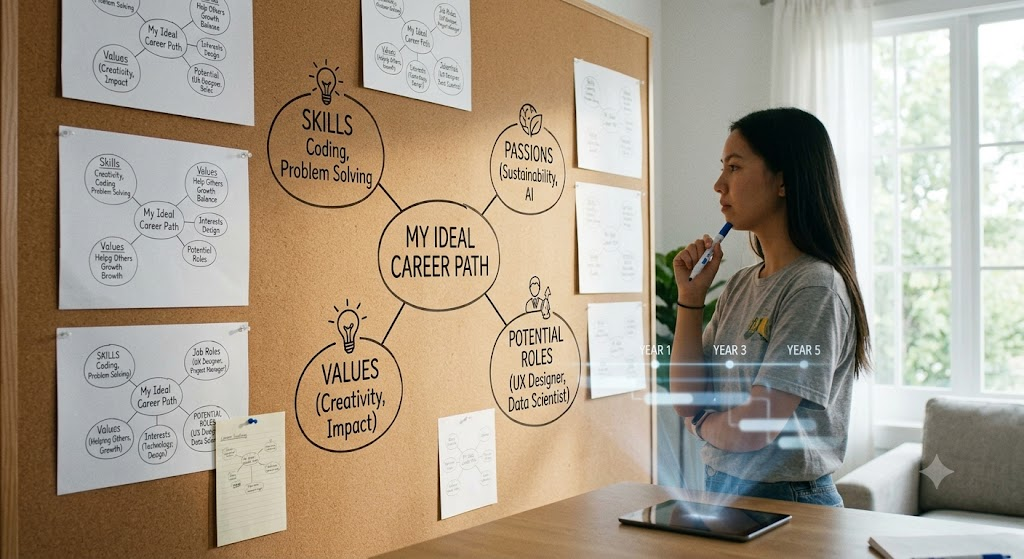
The first step in building your career roadmap is understanding yourself. Consider your interests, skills, values, and personality.
Ask yourself:
- What type of work do I enjoy?
- What are my strongest skills?
- What motivates me?
- What kind of work environment suits me best?
Self-awareness provides a strong foundation for choosing the right career path.
Step 2: Define Your Career Goals
Once you understand your strengths, set clear career goals. Divide them into short-term and long-term objectives.
Short-term goals may include:
- Completing a certification.
- Improving communication skills.
- Building a professional resume.
- Securing an internship.
- Expanding your professional network.
Long-term goals may include:
- Becoming a team leader.
- Earning a promotion.
- Starting your own business.
- Transitioning into a specialized role.
- Achieving financial stability.
Setting specific and measurable goals makes your roadmap easier to follow.
Step 3: Identify the Skills You Need
Every profession requires a combination of technical and soft skills. Research your target career to understand which abilities employers value most.
Technical skills may include coding, graphic design, accounting, or data analysis, while soft skills include communication, leadership, teamwork, adaptability, and problem-solving.
Create a learning plan to develop these skills through courses, workshops, certifications, or self-study.
Step 4: Gain Practical Experience
Practical experience helps you apply your knowledge in real-world situations and improves your employability.
Consider opportunities such as:
- Internships
- Part-time jobs
- Freelance projects
- Volunteer work
- Personal projects
Hands-on experience strengthens your resume and builds confidence before entering the workforce full-time.
Step 5: Build Your Professional Network
Networking is an important part of career development. Connecting with industry professionals can lead to mentorship, career advice, and job opportunities.
Attend seminars, webinars, career fairs, and industry events. Maintain an updated LinkedIn profile and engage with professionals in your field by sharing insights and participating in discussions.
Strong relationships can open doors that qualifications alone may not.
Step 6: Monitor Your Progress
Review your career roadmap regularly to measure your progress. Celebrate achievements and identify areas that need improvement.
As industries evolve and your interests change, don’t hesitate to update your goals. A flexible roadmap allows you to adapt while staying focused on long-term success.
Keeping a journal or using a digital planner can help you track completed milestones and plan future steps.
Step 7: Commit to Lifelong Learning
The job market changes rapidly, and continuous learning is essential for staying competitive. Read industry publications, attend training programs, earn certifications, and stay informed about new technologies and trends.
Developing a habit of lifelong learning ensures that your skills remain relevant throughout your career.
Common Challenges and How to Overcome Them
Career development isn’t always smooth. You may face obstacles such as rejection, skill gaps, changing job markets, or uncertainty about your goals.
To overcome these challenges:
- Stay positive and patient.
- Seek guidance from mentors.
- Continue learning and improving your skills.
- Be open to new opportunities.
- Treat setbacks as valuable learning experiences.
Persistence and adaptability are key qualities of successful professionals.
Conclusion
A career development roadmap provides the direction you need to achieve your professional goals. By understanding your strengths, setting clear objectives, building relevant skills, gaining practical experience, expanding your professional network, and committing to lifelong learning, you can create a rewarding and successful career.
Remember that career development is an ongoing journey rather than a one-time event. Review your roadmap regularly, embrace new opportunities, and continue investing in your personal and professional growth. With a clear plan and consistent effort, you can confidently move toward the career you’ve always envisioned.