
Resume With an Employment Gap: How to Address It Without Apologizing
A resume with an employment gap does not need an apology — it needs one honest line, a skills-first format, and proof of what you can do now.

A resume with an employment gap does not need an apology — it needs one honest line, a skills-first format, and proof of what you can do now.

Freelance work counts as real experience when you list it like a job: one business heading, real client results, and bullets that prove the skills employers are hiring for.
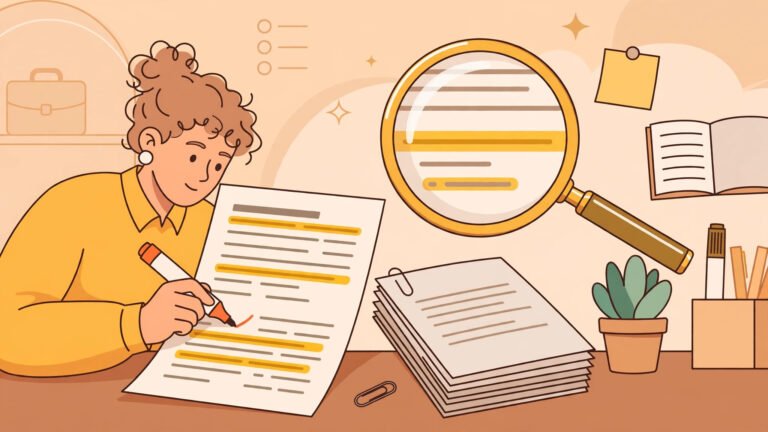
Find the exact words a job posting repeats, keep only the ones you can honestly prove, and place them where recruiters and ATS software both look — that is how resume keywords work without stuffing.

Run the 5-second resume test before you apply: what a recruiter sees in the first five seconds decides whether the rest of your resume gets read at all.

Freshers, mid-career switchers, and career-changers all get rejected for different resume mistakes. Here is exactly what each group gets wrong — and how to fix it in minutes.

Most resumes never reach a human — applicant tracking software rejects them first. These 7 fixable mistakes are why.

Most resumes should be one page — but not every resume. Here’s the real rule by experience level, when two pages are fine, and what to cut first.
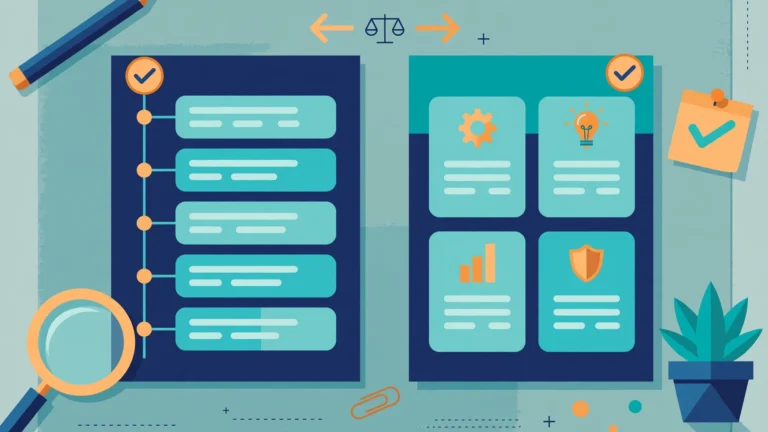
Functional vs chronological resume: learn which format actually gets interviews, with a decision framework for your situation.

A fresher’s resume summary should name the role, list 2–3 skills, and back them with one piece of evidence — here are six before-and-after examples you can model.

A career change resume doesn’t list what you used to do — it translates it. Here’s the translation-table method for reframing old jobs in your new industry’s language.