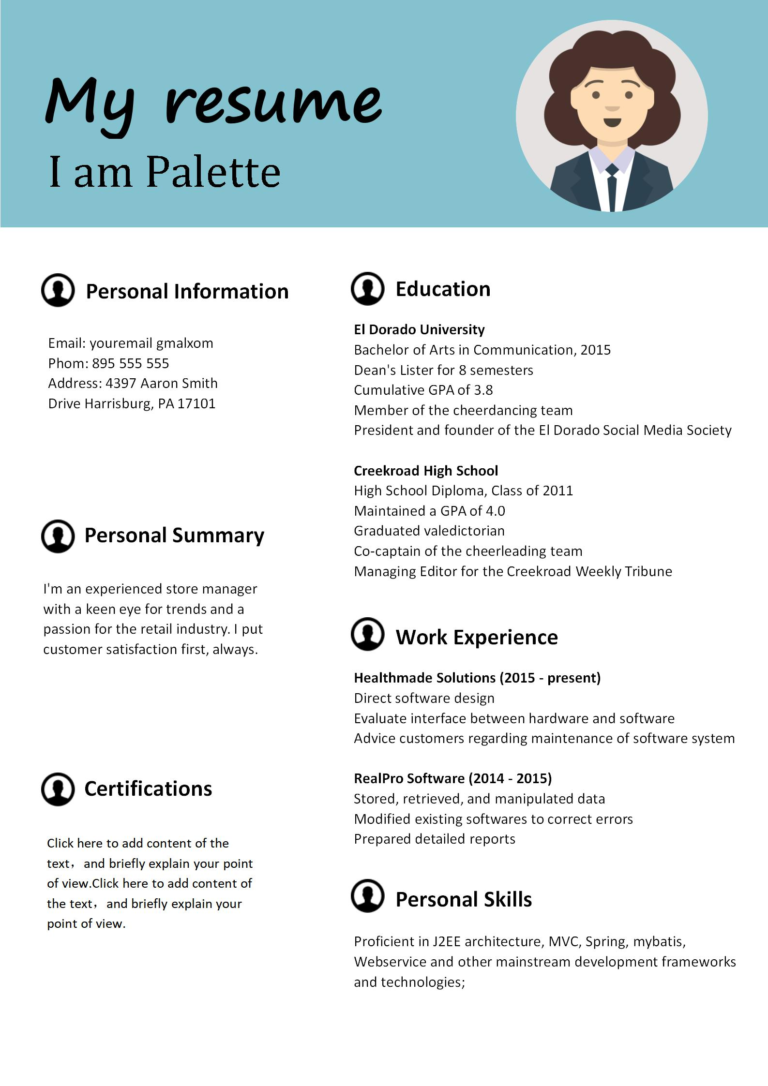

Resume With an Employment Gap: How to Address It Without Apologizing
A resume with an employment gap does not need an apology or a cover story. It needs one honest line about the break, a format that leads with skills rather than timeline, and bullets proving what you can do now. Recruiters do not reject gaps; they reject gaps left unexplained, because a blank invites the worst guess.
That is the whole mindset shift. A gap is not a confession — it is a normal part of working life: caregiving, illness, study, a layoff, a move, or a job search that took longer than planned. Your job on the page is not to justify the time away. It is to make it boring, so the reader moves on to the work you can do.
How Do You Explain an Employment Gap on a Resume?
Keep it to one line, in plain language, placed where the gap sits in your timeline. You do not need a paragraph or an apology. The line should answer what happened, in neutral words, and then stop.
Here are lines that work, matched to common situations:
- Career break for family caregiving, 2022 – 2023. Returned to work in 2024.
- Full-time study: completed a data analytics certification, 2023.
- Left role during company-wide layoffs, 2023. Used the time to retrain in SQL and Power BI.
- Relocated to a new city, 2022. Job search and freelance projects followed.
Notice what none of these do: they do not over-explain or blame anyone, and they never use words like “unfortunately.” State the fact, show the return, and let your skills do the persuading.
Where you put that line matters too. Place it as its own entry in your Experience section, where a job would sit. Hiding a gap by stretching your previous job’s dates is the one mistake that can genuinely hurt you — background checks compare dates, and a stretched date reads as dishonesty even when the work itself was solid.
Which Resume Format Works Best With a Gap?
For a resume with an employment gap, a combination (hybrid) format usually works best: a short skills summary at the top, followed by your work history. This is not about hiding the timeline — the dates are all still there — it is about deciding what the reader sees first. A chronological resume opens with the gap; a hybrid resume opens with proof.
Here is the structure that works for most people with a gap: a two-line summary naming your target role and strongest evidence; a skills section with 6–8 skills matching the job posting; work history in date order, including the one-line gap entry, with achievement bullets under each real job; and education last, unless a recent qualification is your strongest card.
A fully functional format, which drops dates entirely, is tempting but risky: recruiters know what it usually hides, and many applicant tracking systems parse it badly. The hybrid format gives you the same benefit — skills first — without looking evasive. You are not removing the timeline. You are just refusing to let it be the headline.
How Do You Write Bullets When Your Last Job Was Years Ago?
Old experience does not expire as fast as people fear, but it does need translating. A bullet from 2019 that says “responsible for customer complaints” sounds stale; the same experience rewritten as “Resolved 30+ customer complaints a day, maintaining a 92% satisfaction score” sounds like a skill you still own. The difference is not the job — it is the evidence.
Two moves keep older experience alive. First, rewrite every bullet in the action + result formula, even if you estimate: use ranges, not invented precision, when the exact number is gone (“handled 20–30 calls a day” is fine). Second, connect old skills to the new role. If you managed a shop floor in 2020 and you are applying for a team-lead role now, the bullet is not about the shop — it is about scheduling, training new starters, and hitting targets, all of which transfer.
And if you did anything during the gap — freelance work, volunteering, a short course, helping run a family business — it belongs on the page under its own honest heading. “Volunteer coordinator, local food bank, 2023 – 2024: scheduled 15 volunteers across weekly shifts” is real experience. What does not belong is padding: one afternoon of volunteering stretched into a two-year entry will not survive an interview.
What Should You Say About the Gap in an Interview?
Prepare a 30-second version of the same one line, then pivot forward. The formula is: what happened, what you did with the time, what you bring now. Keep the personal detail to one sentence — interviewers do not need, and should not ask for, medical or family details — and spend the rest on the return.
Here is an example, for a caregiving break:
“I stepped away in 2022 to care for a family member full-time. During that period I kept my skills current with a short bookkeeping course, and I returned to work last year through part-time freelance admin work. I’m now looking for a full-time operations role where I can use the scheduling and vendor-management experience from my previous job.”
That answer works because it names the reason without drama, shows the break was not idle, and ends on the job, not the gap. If the interviewer probes further, repeat the pivot calmly: “It was a family commitment that’s now resolved, and I’m fully available.” You do not owe a longer story.
Do not rehearse the gap so much that it becomes the centrepiece of your preparation. Spend most of your prep on the job itself, because a candidate who talks fluently about the work makes the gap fade on its own.
A Before-and-After Example
Here is the apologetic version most people start with:
I have a gap in my employment from 2022 to 2024 due to personal reasons. I am sorry for the break and I hope you will still consider me despite my time away from work. I am a hard worker and a fast learner.
Now the same person, rewritten without an apology:
Career break for family caregiving, 2022 – 2024. Returned to work in 2024.
Freelance Administrative Assistant | Self-Employed | 2024 – Present
- Managed scheduling, invoicing, and client correspondence for 4 small-business clients.
- Cut one client’s invoice delays by half by moving billing to a weekly cycle.
Operations Assistant | City Retail Group | 2019 – 2022
- Coordinated rosters for a 20-person team and covered shift gaps without overtime increases.
- Trained 12 new starters, 10 of whom were still with the company after a year.
Same history, same honesty — but the second version gives a recruiter a timeline they can follow, recent proof they can trust, and older proof that still counts. The gap is still visible. It just stops being the story.
Frequently Asked Questions
Should I explain an employment gap in my resume or only in the interview?
Explain it briefly on the resume with one neutral line where the gap sits in your timeline. Leaving it blank forces the recruiter to guess, and a guess is almost always less kind than the truth. Save the fuller version — still under 30 seconds — for the interview.
How long a gap needs explaining on a resume?
Anything over about six months is worth one line, because a reader scanning dates will notice it anyway. Shorter gaps usually need no explanation; normal job searching takes time, and recruiters know it.
Does an employment gap hurt your chances of getting hired?
A gap on its own rarely decides anything; what matters is what surrounds it. A resume with an employment gap that shows recent skills, honest dates, and achievement bullets gets interviews. A resume that hides dates, apologizes, or leaves the blank unexplained is the one that gets passed over — and all three are fixable before you apply.
Should I use years only, instead of months, to hide a gap?
Using years only is standard — “2022 – 2024” is how most resumes are written — but do not use it to stretch a job across a gap you did not work. Keep the dates honest, put the gap line in, and let your skills carry the page.