One Page vs Two Page Resume: When Each One Wins
For most job seekers, a one-page resume wins: it forces focus, survives the recruiter’s first scan, and fits the roles most people apply for. A two-page resume wins only when you have ten-plus years of relevant experience, a long record of results, or a senior or technical role where detail is the point.
That is the whole debate in one paragraph. The one page vs two page resume question is not about rules: it is about matching your length to your experience and to the job in front of you. Too long, and a recruiter never reaches your best achievement. Too short, and a hiring manager doubts you have done the job.
One Page vs Two Page Resume: What Do Recruiters Actually Prefer?
Recruiters do not read your resume like a short story. They scan it. That first scan lasts roughly six to seven seconds, and in that time they look for three things: your most recent role, whether it matches the job, and one result that proves you can do the work.
A one-page resume is built for that scan: everything important sits in one view. A two-page resume asks the recruiter to turn the page, and many will not on the first pass. That is why the default advice is “one page,” and why it is good advice for most people.
But “most people” is doing a lot of work in that sentence. A recruiter hiring a supervisor with fifteen years of experience expects detail; one hiring a graduate for a first job does not. The preference is for a resume that respects the reader’s time and still answers their questions.
When Does a One-Page Resume Win?
In the one page vs two page resume debate, one page wins when you are early in your career, changing fields, or applying for a role with dozens of applicants. If you have under ten years of experience, one page is almost always enough — and if it does not feel like enough, the problem is usually editing, not length.
One page wins in these situations:
- You are a fresher or recent graduate. Your degree, one or two projects, an internship, and a part-time job fit comfortably on one page. Padding it to two pages only makes the real evidence harder to find.
- You are changing careers. The hiring manager needs your transferable skills, not your full work history. One focused page that translates your old role into the new industry’s language beats two pages of irrelevant detail.
- The role is junior or mid-level. Customer service, sales, marketing, admin, and most office roles are judged on recent results and relevant skills, both of which fit on one page.
- You are applying through an online portal. Applicant tracking systems and human screeners alike move faster through a tight, keyword-rich single page.
Consider Priya, a recent business graduate applying for a junior marketing role. Her first draft ran to two pages: every module listed, three part-time jobs described in detail, and a “hobbies and interests” section. Her rewritten one-pager kept the degree in two lines, one internship with three results-based bullets, one standout university project, and her retail job in a single line about customer service. She got callbacks from three of her next five applications. Nothing about her experience changed. The length did.
When Does a Two-Page Resume Win?
A two-page resume wins when cutting to one page would mean deleting evidence the hiring manager genuinely needs. That threshold is higher than most people think.
Two pages are justified when:
- You have ten or more years of relevant experience. A senior engineer or sales director with a decade of results cannot honestly compress that record into one page without losing the story of progression.
- The role is senior, academic, or highly technical. Executives, researchers, doctors, and specialists are often expected to show publications, patents, certifications, or a long project history.
- You have changed roles but stayed in one field. A teacher who became a head of department and then a curriculum lead has a progression worth showing, role by role.
- The employer asks for detail. Some government, academic, and technical applications explicitly invite a longer resume or CV. Follow their instructions over any general rule.
The test is simple: does page two contain achievements, promotions, or qualifications that change the hiring decision? If it only repeats page one, or lists jobs from fifteen years ago unrelated to this role, cut it.
What Should You Cut First to Fit One Page?
Most two-page resumes can become strong one-pagers without losing anything important. Cut in this order:
- Old, irrelevant jobs. Anything over ten years old that does not relate to the target role can go, or shrink to one line: “2009–2013: Various retail roles.”
- The objective statement. Replace it with a two-line summary, or delete it and let your experience speak.
- Hobbies and references. “References available on request” wastes a line everyone already assumes. Hobbies belong only if they prove a skill the job needs.
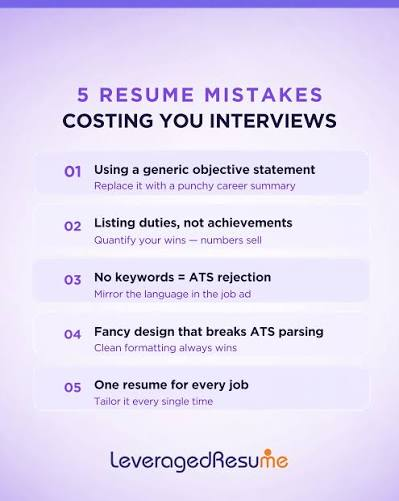
- Duties without results. “Responsible for answering phones” tells the reader nothing. “Handled 60+ customer calls daily with a 96% satisfaction rating” earns its space.
- Duplicate bullets. If three jobs taught you the same skill, say it once, with your strongest result attached.
Shrink the margins slightly and use a clean 10.5 or 11-point font. A one-page resume nobody can read is worse than a two-page resume anyone can skim.
What Belongs on Page Two (and What Never Does)?
If you do go to two pages, page two must continue the argument, not trail off. Put your strongest remaining achievements there — the promotion, the project with the biggest result, the certification that sets you apart. Never let it become a dumping ground for old jobs or generic skills. And never leave a single orphan line on page two: a resume that runs to one page plus two lines looks unfinished. Either tighten it back to one page or add one more genuine achievement so the layout looks deliberate.
The 60-Second Test: Which Length Should You Choose?
Try this before you send your resume anywhere. Print it — or view it on a phone screen, which is how many recruiters first see it — and settle the one page vs two page resume question for yourself with three questions:
- Can a stranger tell your target role and strongest result within ten seconds?
- Does every bullet prove a skill or show a result?
- If you deleted page two entirely, would a hiring manager still understand why you fit this job?
If the answer to all three is yes with one page, send one page. If deleting page two would remove a promotion, a major project, or a qualification the posting specifically asks for, send two. That is the decision, and it takes sixty seconds.
Whichever length you choose, the fundamentals do not change: lead with your most recent and most relevant role, write bullets that show results instead of listing duties, and mirror the job posting’s language honestly. Length is packaging. Evidence is the product. Get the evidence right first, then let the length follow it.
Frequently Asked Questions
Is a two-page resume ever a disadvantage?
Yes, when the second page adds nothing new. Recruiters may assume you cannot prioritise, or they may simply never read page two. If page two holds real, relevant achievements, it strengthens your application.
Do recruiters really reject two-page resumes automatically?
No. There is no automatic rejection for length, and applicant tracking systems do not penalise a second page. The risk is human: a long, unfocused resume loses the reader’s attention. A tight two-pager from an experienced candidate is read and respected.
Should freshers ever use a two-page resume?
Almost never. A fresher’s strongest material — education, projects, internships, and part-time work — fits on one page with room to spare. Two pages at this stage usually signal padding, and padding makes recruiters doubt the real achievements hiding inside it.
What if the job posting asks for a CV instead of a resume?
Follow the posting. In the UK and much of the world, “CV” often just means a resume, and one to two pages is still expected. A true academic CV — the multi-page kind used in research and teaching — is only needed when the employer clearly expects publications and a full career history.