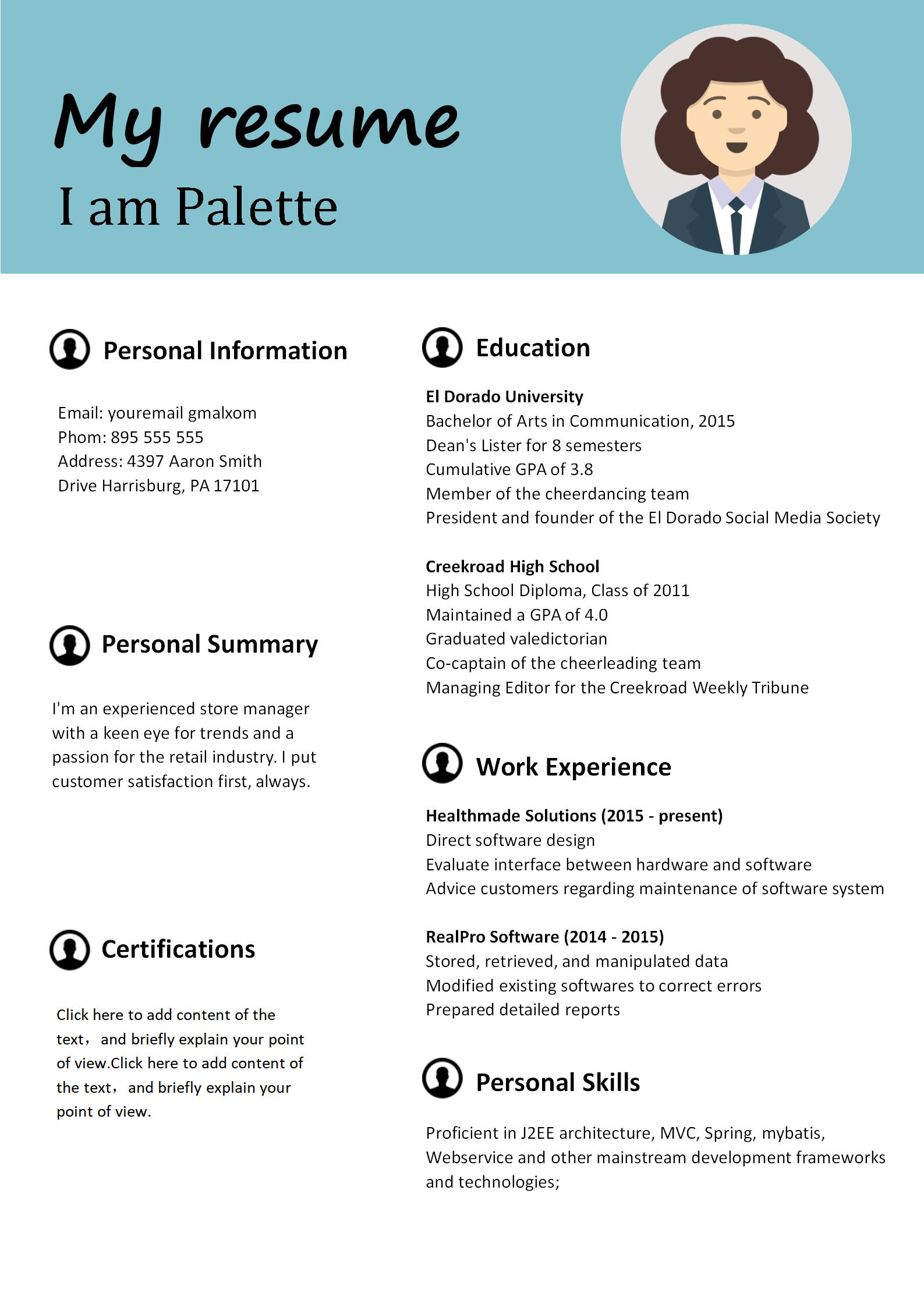
A professional resume is your first opportunity to make a strong impression on potential employers. It highlights your skills, education, experience, and achievements, helping recruiters determine whether you’re the right fit for a position. Since hiring managers often spend only a few seconds reviewing each resume, it’s essential to create one that is clear, well-organized, and tailored to the job you’re applying for.
This guide explains how to write a professional resume that increases your chances of landing an interview.
Choose the Right Resume Format
Before writing your resume, select a format that best represents your experience.
- Chronological Resume: Lists your work experience from the most recent position. Ideal for professionals with a consistent work history.
- Functional Resume: Focuses on skills instead of work experience. Suitable for career changers or recent graduates.
- Combination Resume: Highlights both skills and work experience, making it a good option for many job seekers.
Choose the format that best matches your career background and the job you’re targeting.
Start with Your Contact Information
At the top of your resume, include:
- Full name
- Phone number
- Professional email address
- City and country (optional)
- LinkedIn profile (if updated and relevant)
- Portfolio or personal website (if applicable)
Double-check that all contact details are accurate so employers can easily reach you.
Write a Strong Professional Summary
A professional summary is a short paragraph that introduces you to employers. It should briefly describe your experience, key skills, and career goals.
For example:
“Results-driven marketing graduate with strong communication and analytical skills. Experienced in digital marketing projects and passionate about helping businesses grow through creative marketing strategies.”
Keep your summary concise and tailored to the position you’re applying for.
Highlight Your Work Experience
List your work experience in reverse chronological order. For each position, include:
- Job title
- Company name
- Employment dates
- Key responsibilities
- Measurable achievements
Whenever possible, use action verbs and include numbers to demonstrate your impact.
Example:
- Increased website traffic by 35% through SEO improvements.
- Managed a team of five employees to complete projects on schedule.
- Improved customer satisfaction by implementing new support processes.
Quantifiable achievements make your resume more persuasive.
Showcase Your Education
Include your educational background, starting with your highest qualification.
Mention:
- Degree or certification
- Institution name
- Graduation year
- Relevant academic achievements (if applicable)
Recent graduates may also include relevant coursework, academic projects, or internships.
Add Relevant Skills
Create a dedicated skills section that includes both technical and soft skills.
Technical Skills
- Microsoft Office
- Data analysis
- Graphic design
- Programming
- SEO
- Project management
Soft Skills
- Communication
- Leadership
- Teamwork
- Time management
- Problem-solving
- Adaptability
Choose skills that are relevant to the job description.
Include Certifications and Achievements
Professional certifications can strengthen your resume and demonstrate your commitment to learning.
Examples include:
- Google Career Certificates
- Project Management Professional (PMP)
- AWS Cloud Certifications
- Microsoft Certifications
- Language proficiency certificates
You can also include awards, volunteer work, or professional memberships if they support your application.
Tailor Your Resume for Every Job
Avoid sending the same resume to every employer. Carefully read each job description and customize your resume by emphasizing the most relevant skills and experience.
Many companies use Applicant Tracking Systems (ATS) to scan resumes for keywords. Including relevant keywords from the job posting can improve your chances of passing the initial screening.
Proofread Before Submitting
Even small spelling or grammar mistakes can create a negative impression. Before sending your resume:
- Check spelling and grammar.
- Ensure formatting is consistent.
- Use a professional font and layout.
- Keep your resume to one or two pages.
- Save it as a PDF unless another format is requested.
A polished resume reflects professionalism and attention to detail.
Conclusion
Writing a professional resume is one of the most important steps in your job search. By choosing the right format, writing a compelling summary, highlighting your achievements, showcasing relevant skills, and tailoring your resume to each job application, you can significantly improve your chances of getting noticed by employers.
Remember that your resume is a living document. Update it regularly with new skills, certifications, and accomplishments so you’re always prepared for your next career opportunity.