Writing your first resume can feel overwhelming, especially if you have little or no work experience. However, every professional starts somewhere, and a well-written resume can help you stand out from other candidates. Your resume is a summary of your education, skills, achievements, and experiences that shows employers why you’re a good fit for a job.
In this guide, you’ll learn practical resume writing tips for beginners to create a professional resume that increases your chances of getting an interview.
Choose a Simple and Professional Format
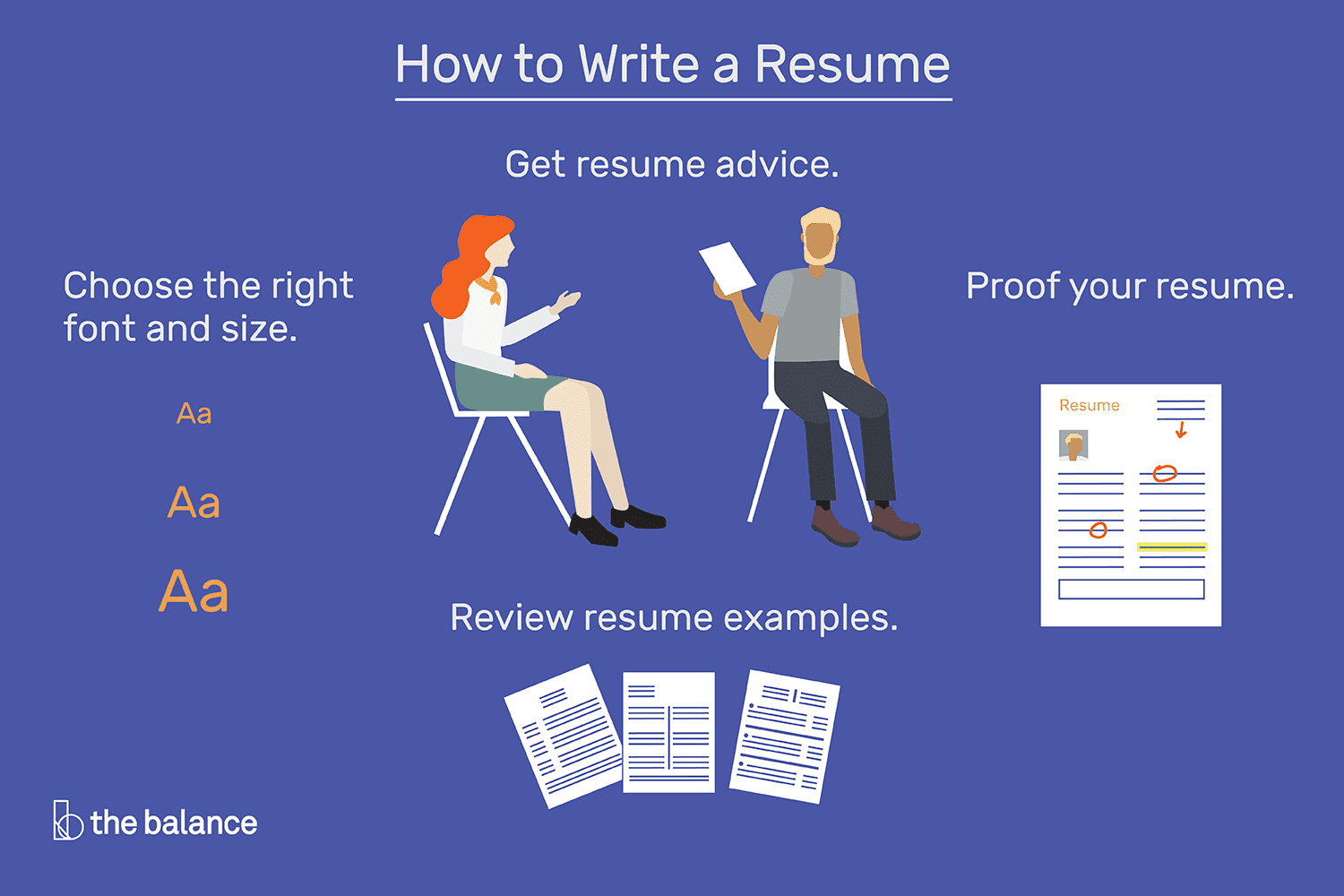
The design of your resume should be clean, organized, and easy to read. Avoid colorful backgrounds, fancy fonts, or unnecessary graphics unless you’re applying for a creative role.
Use clear headings, consistent formatting, and enough spacing to make your resume visually appealing. A simple layout also makes it easier for Applicant Tracking Systems (ATS) to scan your resume.
Start with Your Contact Information
Place your contact details at the top of your resume. Include:
- Full name
- Phone number
- Professional email address
- City and country (optional)
- LinkedIn profile (if updated)
- Portfolio or personal website (if relevant)
Always double-check your contact information before submitting your resume.
Write a Strong Resume Summary
A resume summary is a short introduction that highlights your strengths, education, and career goals. If you’re a beginner, focus on your willingness to learn, relevant skills, and enthusiasm for the role.
For example:
“Motivated and detail-oriented graduate with strong communication and problem-solving skills. Eager to contribute to a dynamic team while continuing to develop professional knowledge and experience.”
Keep your summary brief and tailored to the job you’re applying for.
Highlight Your Education
If you have limited work experience, your education becomes one of the strongest sections of your resume.
Include:
- Degree or qualification
- School, college, or university name
- Graduation year
- Academic achievements (if relevant)
- Relevant coursework or projects
If you’re still studying, mention your expected graduation date.
Showcase Your Skills
Employers value both technical and soft skills. Include abilities that match the job description.
Technical Skills
- Microsoft Office
- Google Workspace
- Data entry
- Graphic design
- Programming
- Social media management
Soft Skills
- Communication
- Teamwork
- Time management
- Leadership
- Problem-solving
- Adaptability
Only include skills that you genuinely possess and can demonstrate if asked during an interview.
Include Internships, Volunteer Work, or Projects
Don’t worry if you haven’t had a full-time job yet. Employers also appreciate practical experience gained through:
- Internships
- Volunteer work
- Freelance projects
- Academic projects
- Student organizations
- Extracurricular activities
Describe your responsibilities and achievements using action verbs such as organized, managed, created, developed, or assisted.
Tailor Your Resume for Each Job
Avoid sending the same resume to every employer. Carefully read the job description and adjust your resume to highlight the skills and experiences most relevant to the position.
Including important keywords from the job posting can improve your chances of passing Applicant Tracking System (ATS) screenings.
Keep It Short and Error-Free
As a beginner, your resume should usually fit on one page. Focus on the most relevant information and avoid unnecessary details.
Before submitting your resume:
- Check for spelling and grammar mistakes.
- Use consistent formatting.
- Choose a professional font.
- Save your resume as a PDF unless another format is requested.
A polished resume reflects professionalism and attention to detail.
Continue Improving Your Resume
Your resume should grow with your career. Update it whenever you complete a new course, earn a certification, gain work experience, or achieve a professional milestone.
Keeping your resume current ensures you’re always prepared for new opportunities.
Conclusion
Writing your first resume doesn’t have to be difficult. By choosing a clean format, writing a compelling summary, highlighting your education and skills, including internships or projects, and tailoring your resume for each application, you can create a document that captures an employer’s attention.
Remember that every successful professional once started with little or no experience. Focus on presenting your strengths honestly, continue developing your skills, and update your resume regularly. With preparation and persistence, your first resume can open the door to exciting career opportunities.