
Career Change Resume: How to Write a Resume for a Career Change
A career change resume is a resume built for someone moving into a new industry or role. Instead of leading with a chronological work history, it leads with transferable skills and relevant accomplishments that prove you can do the new job. If you are switching careers, use a hybrid format: open with a targeted professional summary, follow it with a skills section matched to the job description, then describe your past experience with achievement bullets written in the language of your new field. Recruiters spend only seconds on the first scan, so the top half of your first page must answer one question: why is this person’s background a fit for this role? This guide shows you how to build that case, section by section.
What Is a Career Change Resume?
A career change resume is a job application document written by someone pursuing a different profession, industry, or role than the ones on their work history. Unlike a standard resume, which assumes your past job titles speak for themselves, a career change resume does the translation work for the reader. It connects the dots between what you have done and what the new employer needs.
Recruiters are not mind readers. When your most recent title is “restaurant manager” and you are applying for a “digital marketing coordinator” role, they will not automatically see the connection, even if you ran the restaurant’s social media accounts and doubled its online orders. Your career change resume exists to make that connection obvious within the first few seconds of reading.
The document follows the same conventions as any professional resume: one page when possible, clean formatting, quantified achievements. But it rearranges priorities. Skills and relevant accomplishments come first. Job titles and company names come second. Everything on the page must answer the hiring manager’s silent question: what can this person do for us?
Which Resume Format Works Best for a Career Change?
The hybrid (or combination) format is the best choice for most career changers. It opens with a skills summary and professional profile, then follows with a reverse-chronological work history. You get the best of both worlds: the skills-first framing of a functional resume without the red flags that make recruiters suspicious of purely functional formats.
Avoid a strict chronological format, which buries your qualifications under job titles from another field. And avoid a purely functional format, which hides your work history entirely. Many applicant tracking systems and hiring managers distrust it because it can conceal employment gaps.
Structure your career change resume in this order: contact header, professional summary, core skills, professional experience with translated bullets, then education and certifications. This order puts your most persuasive material where recruiters look first.
How Do You Write a Professional Summary for a Career Change?
Your professional summary is a three- to four-line pitch at the top of the page, and for career changers it does heavy lifting. Name the role you are targeting, state your years of relevant or transferable experience, and name two or three strengths that map directly to the job description.
Compare a weak summary with a strong one. Weak: “Motivated professional seeking new opportunities in a dynamic company.” It says nothing. Strong: “Customer service leader with 6 years of experience resolving complex client issues, now pursuing UX research. Skilled in user interviews, journey mapping, and translating feedback into product improvements. Completed a UX certification with a capstone project adopted by a local nonprofit.”
Notice what the strong version does: it names the target field, quantifies experience, lists concrete skills, and offers proof. Write your summary last, after the rest of the resume is finished, so you can pull in your strongest material.
How Do You Show Transferable Skills on a Career Change Resume?
Transferable skills are abilities that carry across industries: communication, project management, data analysis, budgeting, training, negotiation, writing, and customer research, to name a few. Your job is to find the ones your target role requires and prove you have them.
Start with the job description. Highlight every required skill, then brainstorm where you have used each one, regardless of industry. A teacher applying for corporate training roles has curriculum design and public speaking. A retail supervisor applying for operations roles has inventory management, scheduling, and team leadership.
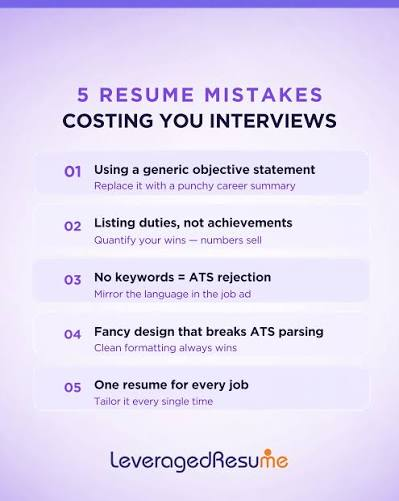
Present them in a Core Skills section of 8 to 12 items, using the exact terminology from job postings in your new field. If employers call it “stakeholder management” and you call it “dealing with clients,” use their words. Matching their vocabulary helps both human readers and applicant tracking systems recognize the fit.
Do not just list skills in isolation. Every skill in that section should also appear in an achievement bullet somewhere below. The list promises; the bullets prove.
How Do You Describe Old Jobs for a New Industry?
This is where most career change resumes fail. Listing old duties in old-industry language forces the recruiter to do the translation. Do it for them: rewrite every bullet to emphasize the outcome and the transferable skill, using terms from your target field.
The formula is simple: action verb, what you did, and a measurable result. Then check whether the bullet would make sense to someone in the new industry. “Managed dinner rush for 200-cover restaurant” becomes “Coordinated daily operations for a 15-person team serving 200+ customers per shift, reducing wait times 20% through a new scheduling system.” The second version reads as operations experience, not food service.
For each past role, lead with the bullets most relevant to the new field and drop the rest. You do not need to describe everything you did, only what supports your new direction. Two or three translated bullets per role beat six literal ones.
If you have completed projects, freelance work, volunteering, or coursework in the new field, add a Relevant Projects or Professional Development section above your work history. This section is often what convinces a skeptical hiring manager that your interest is serious.
Should You Address Your Career Change in a Cover Letter?
Yes. Your cover letter is the natural place to explain your why. A career change resume shows that you can do the job; the cover letter explains why you want it and why now. Together they remove the two biggest doubts a hiring manager has about career changers: motivation and fit.
Keep the explanation brief and forward-looking. One or two sentences are enough: what drew you to the field and what you have done to prepare. Avoid apologizing for your background or over-explaining. Frame the change as a deliberate move, not an escape: “After five years leading logistics teams, I am moving into data analysis to work closer to the decisions I used to execute. I completed a data analytics certificate this year and built dashboards tracking $4M in freight spend.”
If the application does not accept a cover letter, your resume’s professional summary carries this weight alone, which is another reason to write it carefully.
What Mistakes Should Career Changers Avoid on a Resume?
- Leading with job titles from another industry. Titles anchor the reader in your past; skills and results point them to your future.
- Using jargon only insiders of your old field understand. Every acronym or technical term is a small wall between you and the hiring manager.
- Listing every duty you ever had. Irrelevant bullets dilute the relevant ones. Cut ruthlessly.
- Writing an objective statement. “Seeking a challenging position where I can grow” wastes the most valuable lines on the page. Use a summary instead.
- Leaving employment dates off to hide a transition. Gaps invite suspicion. Own your timeline and let your skills section do the persuading.
- Sending the same resume to every posting. Career changers benefit most from tailoring, because the translation of your experience changes with each target role.
Frequently Asked Questions
How long should a career change resume be?
One page if you have under 10 years of experience; two pages at most for senior professionals. Career changers should be especially strict, because every line must justify the pivot.
Do I need to list all my past jobs on a career change resume?
No. List the roles that support your new direction and summarize or omit the rest. Keep the last 10 years as a guideline, and give the most space to the most relevant experience.
Should I include a photo or personal details on my resume?
No. Skip photos, full street addresses, and birth dates. They add no value and can introduce bias. City and state, phone, email, and a LinkedIn or portfolio link are all you need.
How do I handle a lack of direct experience in the new field?
Lead with transferable skills, add a projects or certifications section showing new-field work, and quantify everything. Hiring managers hire for demonstrated ability, not job titles.