
How to Write a Resume With No Experience: The Evidence-First Format
If you’re wondering how to write a resume with no experience, lead with evidence instead of job titles: put a skills section first, follow it with projects, coursework, volunteering, and extracurriculars written like job bullets, and place education near the top. This evidence-first format shows hiring managers what you can do instead of apologizing for what you haven’t done yet.
Most resume advice quietly assumes you’ve held a job. “List your last three employers.” “Quantify your impact.” “Show a promotion.” If your answer to all of that is “I haven’t done any of that yet,” the standard template makes you look like you have nothing to say — when really, you just need a different order and a different definition of experience.
The fix isn’t a fancier design. It’s a format built for people with no job history: sections ordered so the strongest proof comes first, and a method for turning everything you’ve already done into bullets that read like real work. Let’s build it.
How Do You Write a Resume With No Experience in the Right Order?
The classic resume order — contact, summary, experience, education, skills — was designed for people with work history. When you have none, that order puts your emptiest section in the most-read spot on the page. Recruiters spend most of their attention on the top third of a resume, so that top third should hold your best evidence, not a blank “Experience” heading.
The evidence-first order flips it:
- Contact header — name, phone, professional email, city/state, LinkedIn or portfolio link if you have one.
- Skills — 8 to 12 skills matched to the job you’re applying for. This is your new headline section.
- Projects & experience — school projects, volunteering, freelance or gig work, extracurriculars, personal projects. Written exactly like job bullets.
- Education — degree or diploma, school, graduation date, relevant coursework, GPA only if it’s 3.5 or higher.
- Certifications & extras — online courses, languages, awards.
Notice what happened: a recruiter scanning for thirty seconds sees your skills, sees proof you used them, and sees your education — all before they’d ever notice the absence of a previous employer. Nothing on the page apologizes. The format just answers the question they’re actually asking: can this person do the work?
What Counts as Experience When You’ve Never Had a Job?
Here’s the mental shift: employers don’t pay for job titles. They pay for useful things getting done. Plenty of useful things you’ve already done simply never had a payroll attached. On a resume with no formal work history, these all count:
- Class projects. That marketing plan you built for a business course, the app you coded, the research paper you presented — each one had a goal, tasks, and an outcome.
- Volunteer work. Food banks, tutoring, community cleanups, charity fundraisers. Organizing people and showing up reliably is exactly what jobs require.
- Freelance or gig work. Tutoring neighbors’ kids, designing a flyer for a local shop, yard work, selling things online. You delivered something for someone who paid.
- Extracurricular leadership. Running a club, organizing events, managing a team budget — hiring managers read “treasurer of the debate club” and hear “trusted with money and deadlines.”
- Personal projects. A blog, a YouTube channel, a small online store, a portfolio of designs. Self-directed work shows initiative no job history can fake.
- Certifications and courses. Google, HubSpot, Coursera, and similar credentials prove you learned something specific and verifiable.
- Odd jobs and part-time work. Even a summer of warehouse shifts or food service proves reliability, teamwork, and showing up on time.
The goal is to assemble two or three of these and treat each one like a job entry: a title, the organization or context, dates, and two or three bullets. “Tutor, self-employed, 2023–2024” is a real entry. So is “Event Coordinator, University Cultural Festival.”
How Do You Write Bullets That Sound Like Real Work?
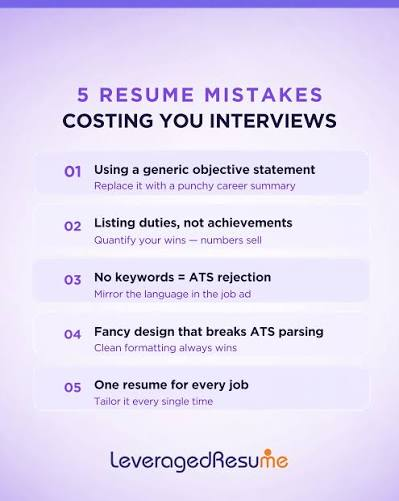
Weak bullets describe duties. Strong bullets describe actions and outcomes. The formula is simple — action verb + what you did + the result — and it works whether the experience was a Fortune 500 internship or a Saturday volunteering shift.
Watch the difference:
- Helped at a charity fundraiser. → Coordinated check-in for 200+ attendees at an annual charity fundraiser; processed donations totaling $4,300 in one evening.
- Made social media posts for a club. → Grew the photography club’s Instagram from 150 to 900 followers in one semester with a weekly posting schedule.
- Worked on a group project. → Led a 4-person team to design a campus recycling plan; presented the proposal to the student council, which approved a pilot in two buildings.
Three rules make this work. First, use a number whenever you honestly can — people served, dollars raised, followers gained, pages written. Small numbers count; “tutored 3 students weekly” is specific and believable. Second, never write “responsible for” — replace it with the verb of what you actually did: coordinated, built, trained, designed, organized. Third, write every bullet in the past tense and start each one with a verb. The consistency alone makes the page feel professional.
If you’re stuck, ask yourself three questions about each activity: what did I do, how did I do it, and what changed because I did it? The answers are your bullets.
What Should You Leave Off a First Resume?
A short resume with no filler beats a padded one every time. Leave these off:
- An objective statement like “Motivated graduate seeking an opportunity to grow.” It says nothing. Replace it with a two-line summary that names your target role and your strongest proof.
- The phrase “no experience.” Never explain what you lack. Show what you have.
- High school details once you’re in college or beyond — but keep them if you’re applying as a high school student or recent graduate.
- References available upon request. Everyone assumes this. It wastes a line.
- A headshot, your full street address, and your birth date. City and state is plenty; photos and personal details can introduce bias.
- Hobbies — unless they’re directly relevant to the job. “Chess club captain” matters for an analyst role; “enjoys movies” doesn’t help anyone.
- GPA below 3.5. It invites the wrong comparison. Show relevant coursework instead.
And keep the whole thing to one page. If your resume with no experience runs short, let it breathe — clean whitespace reads as confidence, not emptiness.
How Do You Fill the Whole Resume in 30 Minutes?
Staring at a blank page is what makes this feel impossible. So don’t start with a blank page — start with a timer. Here’s the 30-minute plan:
- Minutes 0–5: Contact and skills. Type your name, phone, email, and city. Then list every skill you genuinely have that relates to the job — software, languages, communication, specific tools. Aim for ten.
- Minutes 5–15: Your two or three experiences. Pick the strongest activities from the list above. For each, write a title and two bullets using the action-verb formula. Don’t polish — just get them down.
- Minutes 15–20: Education. School, degree or diploma, graduation date, three or four relevant courses. Add GPA only if it’s 3.5+.
- Minutes 20–25: Summary and proofread. Write a two-line summary at the top: the role you want plus your best evidence. Then read the whole page out loud once, slowly — you’ll catch every typo your eyes skip.
- Minutes 25–30: Format check. One font, 10–12 point body text, consistent dates, no spelling errors in the header. Save as a PDF with your name in the filename: Firstname-Lastname-Resume.pdf.
Thirty minutes, one page, no blank “Experience” section haunting you. The evidence-first format does the heavy lifting — your job is just to fill in the proof.
Frequently Asked Questions
Should I write a resume summary if I have no experience?
Yes — but keep it to two lines and skip the clichés. Name the role you’re targeting and attach your strongest evidence: “Recent marketing graduate with hands-on experience running social media campaigns for two student organizations, growing combined audiences to 3,000+ followers. Seeking an entry-level social media coordinator role.” That tells a recruiter more than “motivated self-starter” ever could.
Can I include school projects on my resume?
Absolutely. List the project name as the title, the course or context as the organization, and the dates. Write bullets exactly like job bullets — what you built, how, and what resulted. A capstone project with real outcomes often impresses more than a generic internship.
How long should a resume with no experience be?
One page, no exceptions. Recruiters spend seconds on a first scan, and a single strong page signals you know how to prioritize. If it feels short, add a relevant project or certification rather than stretching margins.
Should I use a functional resume format instead?
Usually not. Recruiters are wary of purely functional formats because they can hide gaps, and many applicant tracking systems parse them poorly. The evidence-first format is the better move: it keeps a clean, scannable structure while simply putting your strongest sections — skills and projects — where work history would normally go.