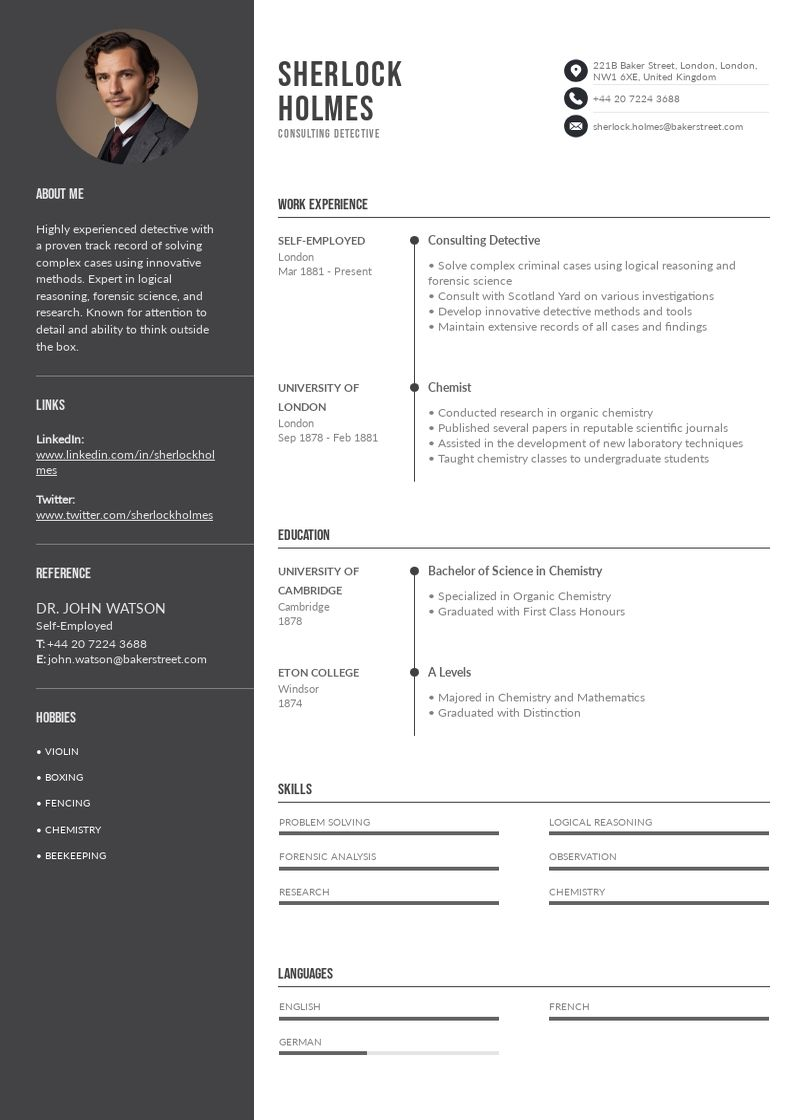
Your resume is often the first impression you make on a potential employer. Even if you have excellent qualifications and experience, choosing the wrong resume format can make it difficult for hiring managers to find the information they need. A well-structured resume presents your skills and achievements clearly, making it easier to stand out in a competitive job market.
In this guide, you’ll learn about the best resume formats, their advantages, and how to choose the right one for your career stage and goals.
Why Resume Format Matters
A resume format determines how your information is organized and presented. Recruiters usually spend only a few seconds reviewing each resume, so a clean and logical layout helps them quickly identify your qualifications.
A professional format also improves readability and increases the chances of your resume passing Applicant Tracking Systems (ATS), which many employers use to screen applications.
1. Chronological Resume Format
The chronological resume is the most commonly used format. It lists your work experience in reverse chronological order, starting with your most recent job.
Best For
- Professionals with consistent work experience
- Job seekers applying within the same industry
- Candidates with a clear career progression
Advantages
- Easy for recruiters to read
- Highlights career growth
- Preferred by many employers
- ATS-friendly
Disadvantages
- Employment gaps are more noticeable.
- Not ideal for career changers or people with limited work experience.
If you have several years of relevant experience, this is usually the best resume format.
2. Functional Resume Format
A functional resume focuses on your skills and abilities instead of your work history. Rather than emphasizing previous jobs, it highlights what you can do.
Best For
- Recent graduates
- Career changers
- Freelancers
- Individuals with employment gaps
Advantages
- Highlights transferable skills
- Reduces emphasis on work history
- Useful when changing careers
Disadvantages
- Less preferred by some employers
- Can raise questions about employment history
- May not perform as well with some ATS software
This format is useful if your skills are stronger than your work experience.
3. Combination (Hybrid) Resume Format
The combination resume blends the best features of chronological and functional formats. It begins with a strong skills section, followed by your work experience.
Best For
- Experienced professionals
- Candidates with specialized skills
- Individuals applying for technical or leadership positions
Advantages
- Highlights both skills and experience
- Demonstrates career achievements
- Flexible and easy to customize
Disadvantages
- Can become lengthy if not carefully organized
- Requires thoughtful formatting
Many professionals prefer this format because it offers a balanced presentation of qualifications.
How to Choose the Right Resume Format
The best resume format depends on your background and career goals.
Choose a chronological resume if you have a stable work history and want to showcase your career progression.
Choose a functional resume if you’re entering the workforce, changing careers, or have gaps in your employment history.
Choose a combination resume if you want to emphasize both your skills and professional experience equally.
Selecting the right format allows employers to quickly recognize your strengths.
Resume Formatting Tips
No matter which format you choose, follow these best practices:
- Keep your resume to one or two pages.
- Use a clean, professional font.
- Organize sections with clear headings.
- Use bullet points instead of long paragraphs.
- Include measurable achievements whenever possible.
- Tailor your resume for each job application.
- Save your resume as a PDF unless another format is requested.
These simple practices improve readability and create a professional impression.
Common Resume Formatting Mistakes
Avoid these common errors:
- Using overly decorative templates.
- Including unnecessary personal information.
- Writing long blocks of text.
- Choosing difficult-to-read fonts.
- Failing to update your resume regularly.
- Ignoring keywords from the job description.
A clean and organized resume is more likely to attract the attention of recruiters.
Conclusion
Choosing the right resume format is an important step in your job search. The chronological, functional, and combination resume formats each serve different purposes depending on your experience, skills, and career goals.
Take time to select the format that best represents your qualifications and tailor your resume for every application. Combined with strong content and careful proofreading, the right resume format can help you make a positive first impression and improve your chances of securing job interviews.