
Resume for a Part-Time Job While in College: What to Include
A resume for a part time job college student should lead with availability, reliability, and any real work you have done — even if that work was a class project, a campus role, or helping family. Hiring managers for campus, retail, and service jobs are not looking for a long career history; they want to know you will show up, learn fast, and treat customers well.
That is good news if your work history feels thin. A part-time employer does not expect five years of experience from a second-year student — just a one-page resume answering three questions: Can you work the hours we need? Are you dependable? Are you easy to train? Anything that does not serve one of those should come off.
What Should a College Student Put on a Part-Time Job Resume?
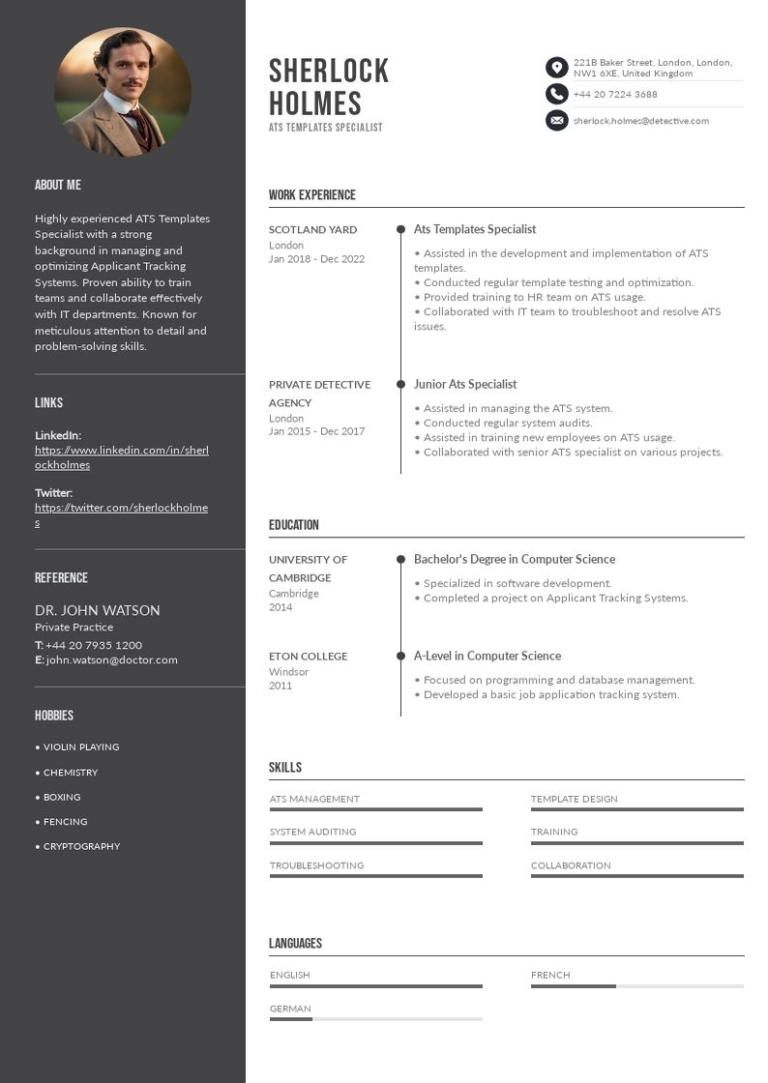
Start with the sections that matter most for this kind of hiring, in this order: contact details and availability, a short summary, experience (paid, unpaid, or campus), education, and skills. That order puts the hiring manager’s top concerns first, instead of burying them under a long education block.
Your contact section should include your name, phone number, email, and the city or campus area where you live — your university email is fine. Then add one availability line right under it, for example: “Available weekdays after 2 p.m. and all day Saturday.” Availability is often the first filter: a manager with a Tuesday evening shift to fill will interview the student who states their hours clearly first.
Keep the whole resume to one page — a two-page resume from a student with one previous job looks padded, and one page forces you to choose only your strongest evidence.
How Do You Write a Summary With Little or No Experience?
A short summary — two lines, no more — tells the manager what kind of worker you are before they read a single bullet. Skip the overused lines every template repeats, like “hardworking student seeking an opportunity to grow.” They say nothing a manager can check.
Instead, name what you actually bring: reliability, a relevant skill, and the hours you can work. Compare the two:
Weak: “Motivated college student looking for a part-time job where I can gain experience.”
Strong: “Second-year business student with weekend retail experience and a clean attendance record, available evenings and Saturdays. Comfortable with cash handling, stocking, and helping customers on a busy shop floor.”
The second version works because every claim is concrete. It names the year of study, the kind of experience, the availability, and three tasks the manager actually needs done. If you have no paid experience yet, swap in campus evidence instead: “First-year student, captain of the campus volunteer team, available weekday afternoons. Organised weekly food-bank shifts for 12 volunteers and comfortable talking to the public.”
Write your summary last, after the rest of the resume is done, so you summarise real evidence rather than inventing qualities.
What Counts as Experience When You Have Never Had a Job?
More than most students think. Hiring managers for part-time roles count any activity where someone depended on you, on a schedule, to get something done. That includes a lot of student life that never felt like “work” at the time.
Paid work is obvious: a summer job, tutoring, babysitting, delivery work, or a previous part-time role. But so is unpaid experience: volunteering, a society committee role, helping run a campus event, or a long-term family responsibility such as caring for younger siblings. Class projects count too when they produced something real — a group presentation, a small business plan, a website, or a fundraising campaign.
Format these exactly like jobs: a title, an organisation or context, dates, and two or three bullets about what you did and what resulted. “Volunteer, Campus Food Bank, September 2025 – present” plus “Sort and pack 40+ food parcels per shift” reads as experience; a line that just says “Volunteering” under Interests does not.
Do not invent job titles or exaggerate hours — a manager who calls a reference and hears a different story will drop your application.
How Do You Show Reliability and Availability on a Resume?
Reliability is the quality part-time managers prize most, because a missed shift is their biggest headache. You cannot just claim “reliable” — you have to show it with evidence a manager can picture.
Use bullets that prove attendance and follow-through: “Worked every scheduled Saturday shift for six months at a campus café” or “Opened the library desk on time for 30 consecutive morning shifts.” Without that record yet, use the closest equivalent: perfect attendance in a course with mandatory labs, or a volunteer rota kept for a full term.
Give availability its own visible spot near the top, not a footnote. If your timetable changes each semester, say so honestly rather than promising hours you cannot keep — managers would rather hire a student with limited but honest hours than one who quits after two weeks.
What Skills Do Part-Time Employers Actually Scan For?
For retail, campus, and service jobs, managers scan for a short list of practical skills: customer service, cash handling, teamwork, time management, basic computer use, and communication. They do not need a long skills section — six to eight honest skills, matched to the job posting, beat a wall of buzzwords.
Match your skills to the posting, not to a generic list. If it mentions “till work and stocking,” list “cash handling” and “stock replenishment,” not “leadership and strategic thinking.” Mirroring the posting’s own words — honestly, only where you can back them up — also helps with screening software.
Languages, driving licences, and first-aid or food-hygiene certificates are worth listing even if the posting does not ask, because they make scheduling easier.
A Simple Template You Can Fill In Tonight
Use this structure and fill each section in order. It takes most students under an hour:
Contact + Availability: Name, phone, email, city/campus area, and one availability line.
Summary (2 lines): Year of study + strongest evidence + hours you can work.
Experience: Every paid job, volunteer role, campus role, or project, newest first, each with a title, place, dates, and 2–3 bullets starting with action verbs and ending with a result or scale.
Education: University or college, degree or course, expected graduation year, and one relevant detail — a strong grade, a relevant module, or a society role — only if it helps this job.
Skills: Six to eight skills matched to the posting, plus any licence or certificate.
Before you send it, run this check: does the first third show your availability and strongest evidence? Does every bullet start with a verb and name something you actually did? Cut anything that does not help this specific job. A part-time resume is not a life story — it is a short, honest case for why you are the easiest person on the pile to schedule, train, and trust.
Frequently Asked Questions
Do I need a resume for a part-time job while in college?
Yes, for most campus, retail, and service roles — even when the application is a short online form, a one-page resume sets you apart and gives the manager something to remember you by after a group interview. It takes an hour to write and can be reused for every application.
What if I have no work experience at all?
Use campus, volunteer, and project experience formatted like jobs: title, place, dates, and bullets with results. Be specific about what you did, and never invent a job you did not hold.
Should I include my GPA on a part-time job resume?
Only if it helps. A strong GPA (roughly 3.5 or above) can sit on one line under Education as extra proof of diligence. A weaker GPA adds nothing for a part-time role and can safely be left off — managers for these jobs care far more about availability, attitude, and reliability than grades.
How long should a college student’s part-time resume be?
One page, always. Part-time hiring moves quickly, and a one-page resume shows you can prioritise. If your resume spills onto a second page, cut the weakest bullets and any section that does not serve this specific job, rather than shrinking the font to squeeze it in.