
Functional vs Chronological Resume: Which Format Actually Gets Interviews
Functional vs chronological resume: learn which format actually gets interviews, with a decision framework for your situation.

Functional vs chronological resume: learn which format actually gets interviews, with a decision framework for your situation.

A fresher’s resume summary should name the role, list 2–3 skills, and back them with one piece of evidence — here are six before-and-after examples you can model.

A career change resume doesn’t list what you used to do — it translates it. Here’s the translation-table method for reframing old jobs in your new industry’s language.

A career change resume is a resume built for someone moving into a new industry or role. Instead of leading with a chronological work history, it leads with transferable skills and relevant accomplishments that prove you can do the new job. If you are switching careers, use a hybrid format: open with a targeted professional…

If you’re wondering how to write a resume with no experience, lead with evidence instead of job titles: put a skills section first, follow it with projects, coursework, volunteering, and extracurriculars written like job bullets, and place education near the top. This evidence-first format shows hiring managers what you can do instead of apologizing for…
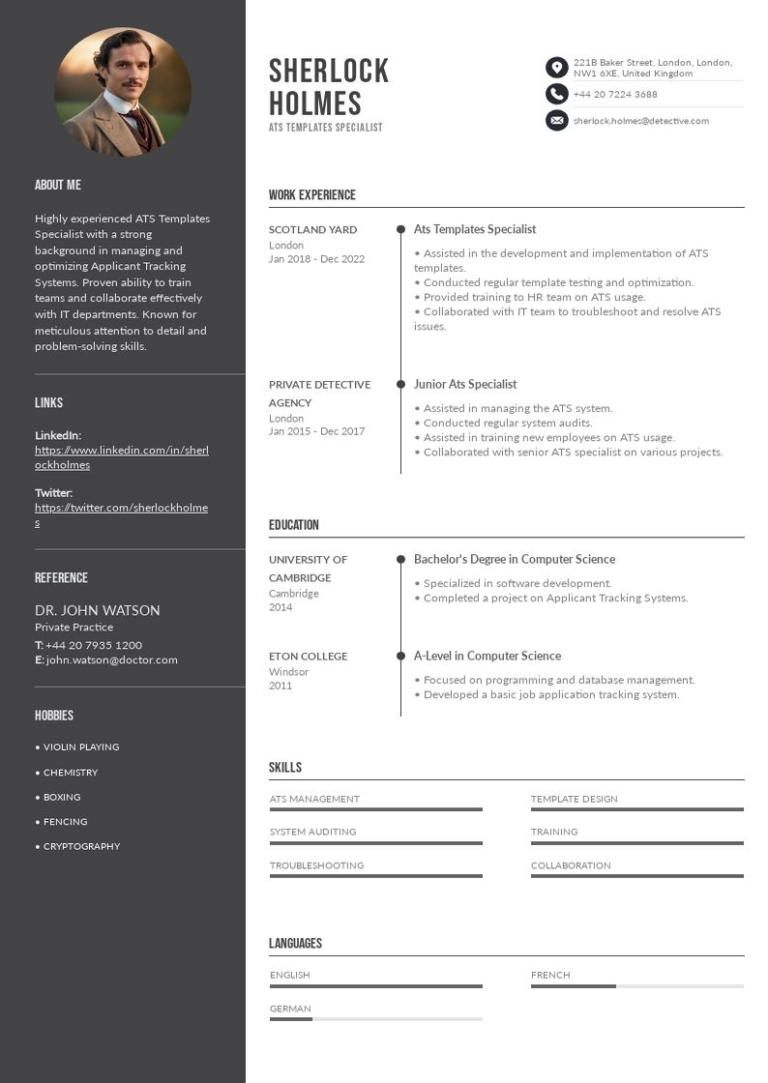
An ATS-friendly resume is a resume formatted so applicant tracking software can read, rank, and store it correctly: standard section headings, job-title keywords copied from the posting, a single-column layout, no tables or graphics, and a PDF or DOCX file the system accepts. What Is an Applicant Tracking System (ATS)? An Applicant Tracking System (ATS)…
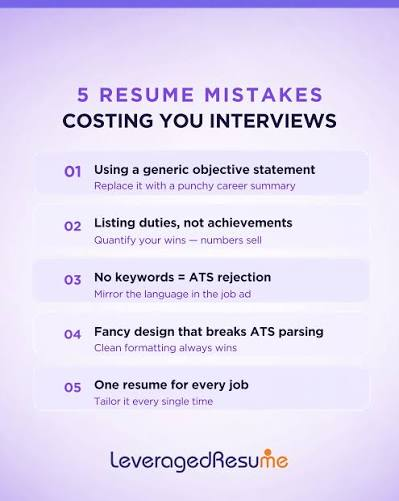
The fastest way to fix a weak resume is to remove the resume mistakes to avoid at all costs: sending one generic version to every job, typos, a vague summary, duties without achievements, a cluttered format, irrelevant details, missing keywords, hidden skills, an unprofessional email, and an outdated file. 1. Using the Same Resume for…
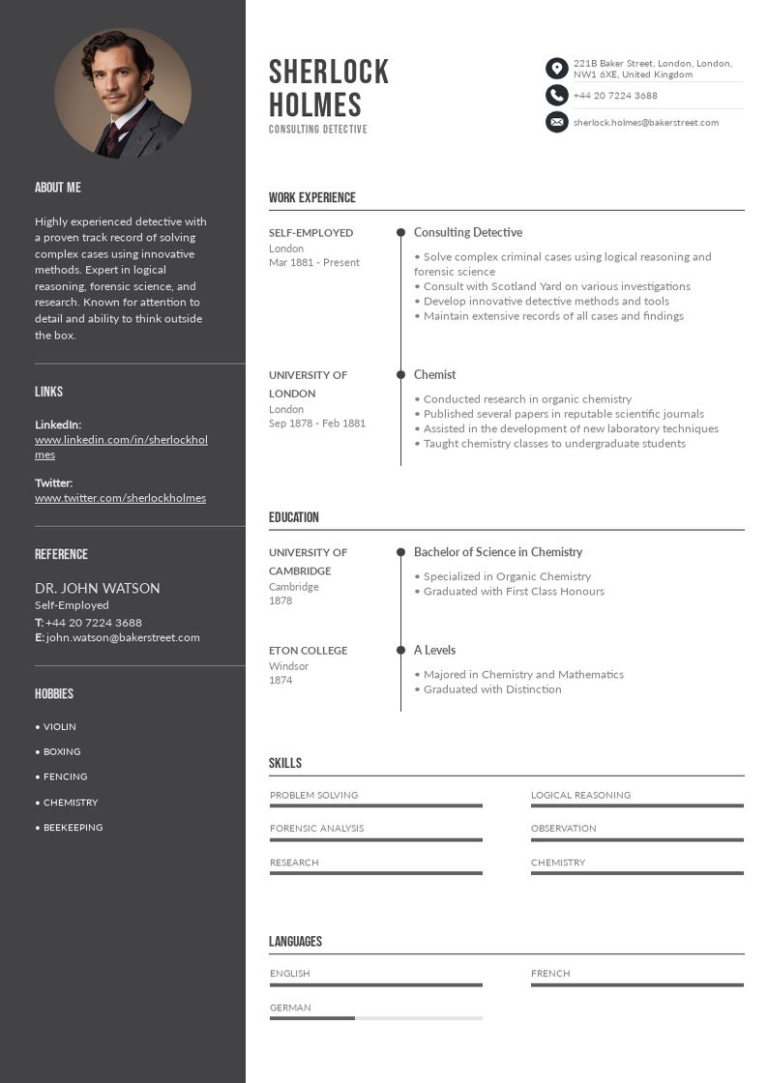
The best resume formats are chronological, functional, and combination (hybrid). Choose chronological if you have a steady work history, functional if your skills outweigh your experience or you are changing careers, and combination if you want to lead with skills while still showing a clear, dated work history. Why Resume Format Matters A resume format…
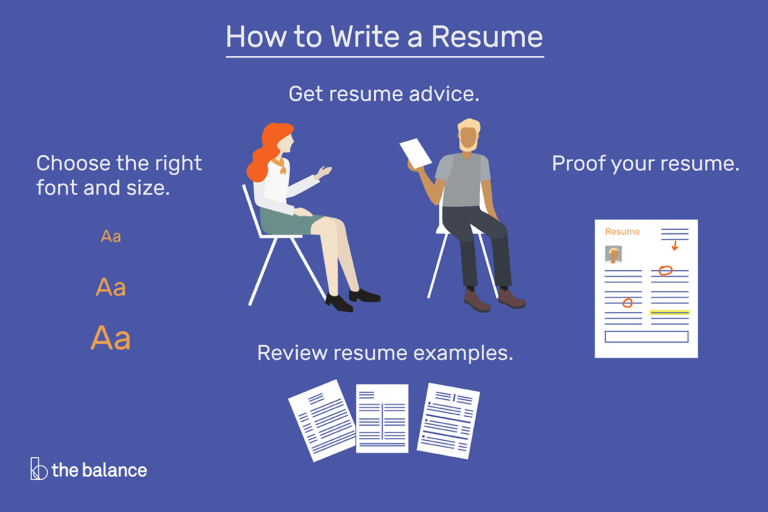
These resume tips for beginners will help you write a first resume that gets noticed: choose a simple chronological or combination format, open with a short summary, list your education early, and fill experience with projects, internships, volunteering and measurable results, using keywords from the job posting. Choose a Simple and Professional Format The design…
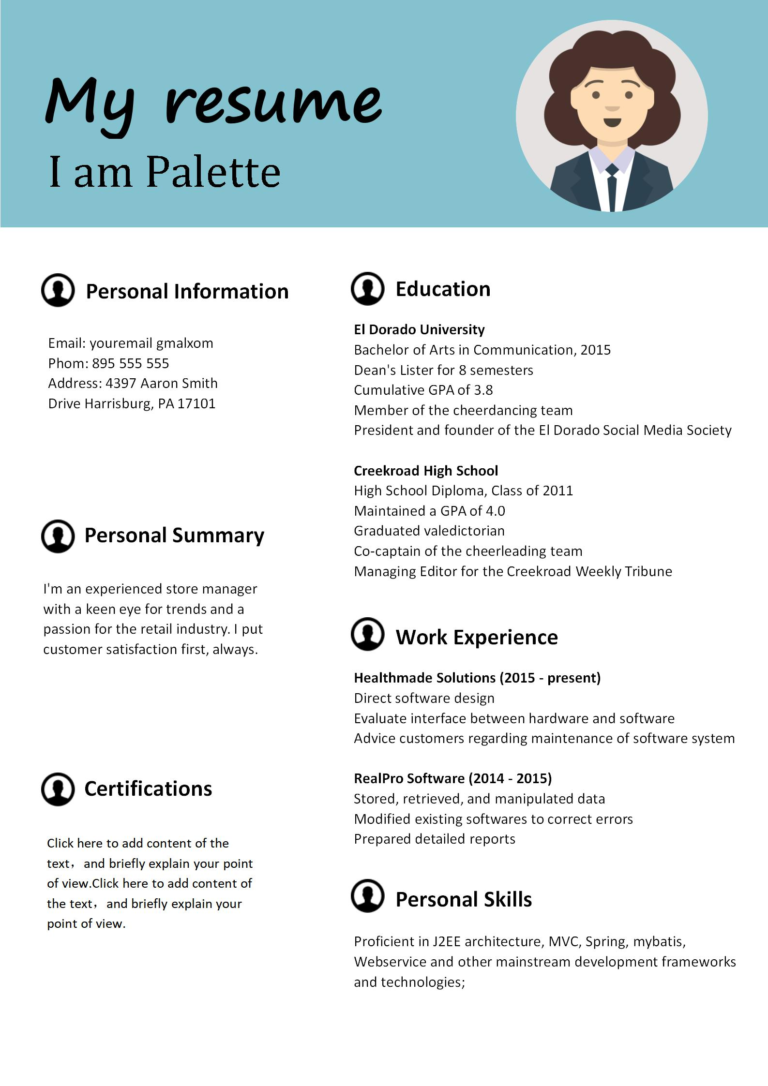
Learning how to write a professional resume starts with choosing the format that fits your experience, then building it in this order: contact details, a tailored summary, work experience with measurable achievements, education, and relevant skills. Keep it to one or two pages, match the job description’s keywords, and proofread before sending. Choose the Right…